


First calm, then results. You want parts that come out of the machine cleanly, without losing evenings to mysterious settings. With a 3D printer for beginners, you are not choosing a toy, but a learning platform that should feel predictable. That succeeds when you set up the basics correctly: a simple workflow, a limited number of materials, and clear starting profiles. This way, you get parts that fit more quickly, and the fun stays intact.
Think in systems, not loose tricks
The temptation is great to solve every problem with yet another new gimmick. It is better to see your process as a short chain: model, slicing, first layer, stability, follow-through. Each link deserves one simple agreement. Calibration does not have to be a daily chore if you use a fixed rhythm. A 3D printer for beginners that prints predictably is usually the result of five good habits instead of fifty secret settings. Choose fixed temperatures per material, a consistent first layer, and log small changes. Sounds boring, works fantastically.
Choosing with head and heart
You don't need the most expensive model; you want the fitting model. A closed housing, automatic bed leveling, and a solid motion platform deliver more gains than exotic speeds. For a 3D printer for beginners, three things are decisive: repeatable first layers, stable extrusion at normal speeds, and reliable profiles in the slicer. Direct drive makes flexible materials easier; a hardened nozzle pays off as soon as you play with fiber-filled filaments. This is how a 3D printer for beginners becomes a silent force in your work instead of a source of surprises.
Material choice determines your learning curve
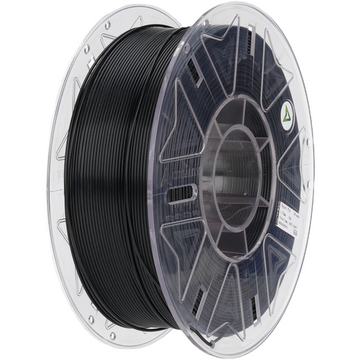
Start small. PLA is forgiving and provides quick successes; PETG offers just a bit more toughness and heat resistance. ABS or nylon requires control over the environment and cooling; that can wait. So, with a 3D printer for beginners, you start with two profiles: PLA for visual work and fit, PETG for functional parts that can take a beating. Dry sensitive filaments in a simple box or dryer and store spools in sealed containers. Many "failures" turn out to be moisture or grease on the bed, not a lack of talent.
Your first ten prints without the drama
- Clean the bed with isopropyl and do not touch the center afterwards.
- Use the standard PLA profile and first print the familiar test part from the supplier.
- Increase or decrease the nozzle temperature only in 5-degree increments and note the effect.
- Keep the brim or skirt on until you are sure of the flow of the first layer.
- Only set the maximum print speed once the outer contour is neat.
- Keep PLA and PETG dry; moisture causes a matte surface and brittle strands.
- Check the Z-offset once a week; small shifts have a big impact.
- Keep the fan low at PETG corners; too much cooling causes cracking.
- Do not update the slicer in the middle of an important project. Test it on your test part first.
- Plan one maintenance moment per month: nozzle check, fans dust-free, belts tightened.
This routine suits a 3D printer for beginners and prevents you from changing five fronts at once.
Common hurdles and how to avoid them
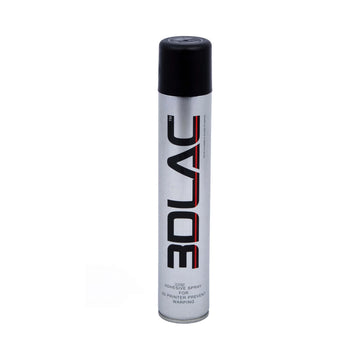
The first layer is half the print. Too high and you get spaghetti, too low and you drill through your adhesive layer. Work with a calm first-layer tempo and slightly higher extrusion for that first millimeter. Stringing? Dry the filament, reduce retraction in small steps, and test with a simple tower. Poor bridging? A little more cooling, a little less speed. Warping at edges? Give the bed time to reach temperature and use a brim or adhesive layer where necessary. With a 3D printer for beginners, mistakes seem personal, but they are almost always procedural. Changing one variable at a time remains the golden rule.
Placement, safety, and environment
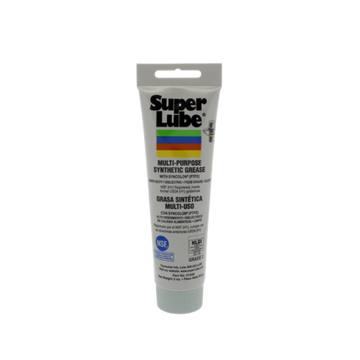
Place your 3D printer for beginners on a stable table, out of drafts and out of direct sunlight. Keep cables clear of moving parts and check that the power supply is properly grounded. Ventilation is pleasant, especially with materials that produce odors. Do not leave the machine running unattended and use a smoke detector in the room. Small discipline, big effect. Keep tools, nozzles, and lubricant near the machine so you never have to search when speed is needed. And give the machine a rest: letting it cool down immediately after a long print prevents warping of the bed or housing.
Why AC PRODUCTS
You don't want a maze; you want a short path to good prints. At AC PRODUCTS, we install your machine, provide clear starting profiles for PLA and PETG, and walk through your first calibrations together. We tailor a 3D printer for beginners to your application, advise on nozzle choice and drying, and ensure you have a small stock of suitable filament right away. If a project stalls, we look along with you using photos and settings. No big talk, just calm results you can build on.
Conclusion: Small and steady wins
You don't have to be able to do everything at once. With a 3D printer for beginners and a light rhythm, you avoid most of the hassle. Limit variables, choose one material at a time, and change one thing per print. You will naturally build up experience that lasts because it is in your system. And that is exactly when 3D printing becomes fun: parts that fit, a schedule that works, and the freedom to experiment when you feel like it. That is the start you counted on, with less frustration and more results.
For more information and custom solutions, visit AC PRODUCTS.


Leave a comment