


Nowadays, you can have a fully functional prototype on your desk within a single day without being dependent on expensive suppliers. This development is partly thanks to Creality, a brand that has drastically lowered the price threshold for reliable 3D printing. Designers, engineers, and model makers are discovering that a desktop machine can suffice for functional testing, small batches, or personal art projects. By producing many parts locally, you not only shorten lead times; you also protect your intellectual property, as sensitive CAD files never leave the building.
Price-performance
While you used to spend over three thousand euros for a decent FDM system, you can now get a machine with a metal frame, automatic bed leveling, and a power-loss recovery function for a fraction of that cost. The secret behind Creality's popularity lies in smart procurement and modular design. Thanks to a scalable production line, the company can offer high-end components—such as silent TMC stepper drivers—in devices that remain affordable for a hobbyist budget. Businesses benefit as well, because a low machine cost makes it feasible to run multiple printers in parallel, doubling your capacity.
Material freedom
Many entry-level printers are limited to PLA, but most Creality models achieve extruder temperatures of 260 °C and bed temperatures above 100 °C. This allows you to print PETG, ABS-plus, or TPU without any hardware upgrades. Those looking to experiment further can replace the standard brass nozzle with a hardened steel version and switch to fiber-filled nylon or metal composites. In this way, the same machine grows with your ambitions, from your first decorative project to a mechanically stressed part in an industrial test setup.
Modular ecosystem
Open-source firmware and a standardized printhead design ensure a vibrant community. Shortly after the launch of a new model, direct-drive kits, improved airflow ducts, and firmware profiles that enable higher print speeds become available. These upgrades are often plug-and-play, meaning you don't need to be an electrical engineer to install them. The result is that users fine-tune their Creality printer piece by piece instead of buying a completely new machine after a few years.
Professional applications
In a design agency in Utrecht, three identical machines hum away in a heated cabinet. They run seven days a week, producing housings for sensor modules out of PETG-carbon. Thanks to the predictable heat chamber and the ad-hoc availability of spare parts, the machines have an uptime of 94 percent. The choice for Creality saved over twelve thousand euros in the first quarter compared to outsourcing to a CNC milling company. Furthermore, engineers can evaluate improvements every morning, allowing the design to go through five iterations in a single month.
Creative playground
Adoption is also high in the art and design sector. Photographers print custom light hoods, jewelry designers cast their wax models in silver, and cosplay makers create accurate armor parts without foam or polyester. A producer from Rotterdam even built a concept keyboard with push buttons printed in flexible TPU, with all parts coming from a single Creality printer. The device thus acts as an extension of the imagination: every new form is just a slicer setting away from tangible reality.
Maintenance and uptime
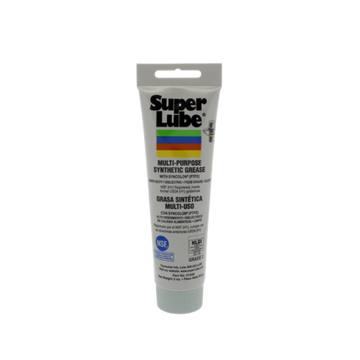
Daily care is limited to cleaning the bed with isopropanol and a visual inspection of the first layer. Weekly, you check belt tension and lubricate linear rails; monthly, you disassemble the nozzle to remove carbonization residue. Thanks to thermal runaway protection, the firmware stops the print in case of sensor failure, which minimizes fire hazards. Parts like thermistors or hotend blocks are standardly in stock at AC PRODUCTS, ensuring your fleet of Creality printers is back in operation in no time.
Sustainability
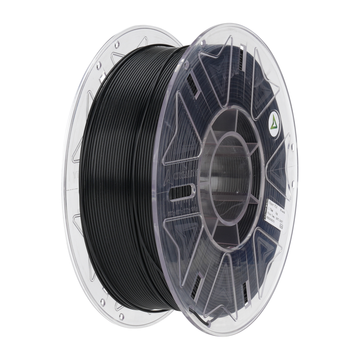
Scrap pieces of PLA and PETG do not go to the landfill with us. AC PRODUCTS collects misprints, grinds them down, and has them processed into recycled filament, which we offer to customers at a discount. The aluminum frame of every Creality printer is also fully separable and therefore reusable. Local printing also shortens the supply chain; less transport means a direct reduction in the CO₂ footprint of your product.
Conclusion
A Creality 3D printer combines an accessible price with professional results. Thanks to material flexibility, an open-source philosophy, and an active community, the machine fits seamlessly into diverse disciplines: from medical prototyping to interactive art. With service, training, and recycling programs, AC PRODUCTS ensures that you get the most out of every layer. Take the step toward in-house production today and discover how quickly ideas take shape once the printhead begins to move.


Leave a comment