


The world of 3D printing is evolving rapidly. What was once reserved only for engineers is now within reach of every creative mind. However, if you are just starting out, the choice can be overwhelming. How do you make a good start, and what exactly do you need to get going with confidence?
What makes a printer suitable for beginners?
If you are just starting, you primarily want a printer that is easy to operate, does not require too much maintenance, and delivers reliable results. Models that automatically level the print bed, have a clear touchscreen, and are compatible with standard filaments are ideal for those being introduced to 3D printing for the first time. A good starting point is therefore a 3D printer for beginners that comes with clear documentation, a simple interface, and support for PLA filament.
Which type of printer suits your needs?
Most starters opt for an FDM printer. It works by heating plastic filament and building it up layer by layer. This system is robust, affordable, and easy to understand. The results are fine, especially for basic household applications. Do you want to print very fine details in the future? You can switch to resin printers later, but for your first steps, a classic FDM 3D printer for beginners is more than sufficient.
What else do you need?
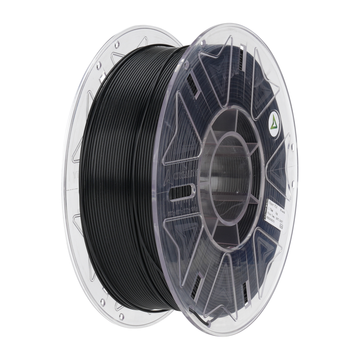
Besides the printer itself, there is a little more to it. You need filament, usually PLA, because this material is easy to process and does not emit unpleasant odors. Furthermore, a metal spatula is useful for removing prints from the bed, as well as a pair of pliers for removing excess material. A well-ventilated space and a flat surface are also important. Once you have all that in order, you can confidently start with your new 3D printer for beginners.
First prints: Simplicity is the keyword
Your first projects do not have to be complex. Think of keychains, card holders, coasters, or a phone stand. Such prints are finished quickly, allow you to discover the basic settings, and help you get to know the printer without frustration. You will notice that the right settings have a lot of influence. Feel free to experiment with print temperature, print speed, and layer height. A 3D printer for beginners usually offers simple profiles to help you get started with this.
Common beginner mistakes
Every starter makes mistakes, and that is perfectly fine. However, it is good to know what to watch out for. A common mistake is an incorrect distance between the nozzle and the print bed. As a result, prints do not adhere properly and may shift. We also often see that filament is stored in a humid environment. This can lead to crackling noises and less attractive results. Therefore, always store your filament in a dry place, for example in a sealable box. This way, you get the most out of your 3D printer for beginners.
Maintenance: Keep your printer in top condition
Regular maintenance prevents many problems. Keep the nozzle clean, check the belts for tension, and ensure that the fans can spin freely. This will keep your printer functioning smoothly. A well-maintained 3D printer for beginners will last for years and continue to deliver reliable results. Make it a habit to check if everything is still working properly after every print.
Software and files: Where do you start?
Every printer uses so-called slicing software. This is a program that converts 3D models into instructions that the printer understands. Popular slicers include Cura, PrusaSlicer, or Bambu Studio. This software is often free and easy to learn. Online, you can find tens of thousands of free 3D models via platforms such as Thingiverse, Printables, or Cults3D. This way, you don't have to design everything yourself immediately and you can fully utilize your 3D printer for beginners without needing to start with CAD software.
Your first investment
A starter-ready 3D printer does not have to cost a fortune. You can already buy a decent model between €200 and €400. Also, keep in mind the costs for filament, tools, and possibly a print bed upgrade or extra nozzles. For a few hundred euros, you have everything you need to start 3D printing. Especially if you choose a solid 3D printer for beginners, you will enjoy it for a long time both at home and at work.
Conclusion: Start smart, print with pleasure
With the right preparation, 3D printing is not difficult. By choosing an accessible and reliable 3D printer for beginners, you lay a solid foundation for creativity, education, or even business applications. Invest in quality, take the time to learn, and enjoy the endless possibilities that this technology offers. Do you want personal advice or help with your choice? Please contact AC PRODUCTS and we will be happy to help you get off to a flying start in the world of 3D printing.


Leave a comment