


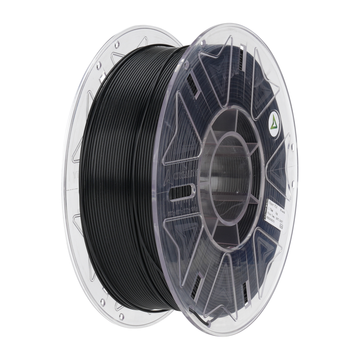
You can only produce reliably if the material behaves predictably. That starts with choosing the right filament and ends with a print that meets requirements without post-processing. Polymaker is known for consistent batch quality, neat spool winding, and good processability on common FFF printers. You can see this in tight wall lines, clean bridging, and a surface that remains consistent from project to project. For those who supply parts to customers or manufacture prototypes in series internally, this repeatability is not a luxury, but a prerequisite.
What determines “consistent prints” in practice
Consistency is more than just a nice label. It is about stable diameter, homogeneous raw material mix, color that remains consistent per batch, and moisture control from production until it reaches your shelf. Polymaker pays attention to packaging and spool quality so that you are not surprised by diameter spikes, loose windings, or moisture issues that cause stringing or dull spots. The result is simple: you can reuse slicer profiles for longer and waste less time correcting minor deviations per roll.
Material selection per application
Not every print requires the same material. For concept models and neat visual parts, you often choose PLA or a PLA blend with improved toughness. Functional parts in warmer environments quickly require PETG or ASA, and for stiffness and impact resistance, PC or a nylon blend comes into play. Flexible parts are printed with TPU in various shore hardnesses. Polymaker offers a wide range so that you can find the right balance between strength, heat resistance, detail, and print ease for every part. Those starting with a universally applicable roll usually choose a reliable PLA or PETG line and expand from there.
From drawing board to workpiece
A good result is created by the interplay of model, printer, and filament. Designing with uniform wall thicknesses, ample overlap, and thoughtful infill supports the mechanical performance of the material. With the right filament, you get the reward: tight corners, less seam formation, and better layer adhesion. In practice, Polymaker stands out for clean layer stacking, which becomes especially visible with thin-walled parts and tight tolerances. You see fewer ridges and need less sanding.
Workflow that works, even when you're busy
You don't want to tune every week. Therefore, build a fixed workflow: store rolls dry, set up and document a profile per material, and only make small changes if the application requires it. Polymaker makes this easy because you can work with similar settings within a material type. You save the settings per nozzle material and diameter, and you note the combination that is most predictable for you per printer. This keeps the output uniform, even when multiple colleagues are running the same job.
Checklist for predictable results
Use the checklist below when you open a new roll or start a series. Going through it carefully once will save you time and material later.
- Check storage and roll condition, let the filament dry if necessary
- Start with a proven base profile for your printer and nozzle
- Calibrate flow and retraction on a small test piece
- Choose bed preparation appropriate for the material and your build plate
- Keep print speed and cooling within the range that already works in your environment
- Log nozzle, temperature, and build chamber temperature per series for repeatability
Storage, packaging, and maintenance
Filament and humidity are not a good combination. Dry storage is essential, especially with technical material. Keep rolls that arrive sealed closed until use. After opening, store them in a box or cabinet with desiccant, or opt for a drybox during printing. Polymaker rolls are usually well-packaged, which you notice by fewer moisture-related artifacts in the first layers. If you combine that with periodic maintenance of your printer, such as keeping the nozzle clean and checking the build plate, the production line will remain stable.
Return per roll: What does it yield
The cheapest roll is not always the most economical choice. Failures, post-processing, and extra machine hours are hidden costs that add up quickly. With consistent quality, you lower the scrap rate and increase the first-time-right score. Polymaker proves its value especially in series: you run the same g-code on multiple days with an identical end result. This is pleasant for internal stakeholders, and even more so for customers, because delivery time and quality become predictable. You gain control over the cost price per part and can plan more reliably.
Common issues and how to prevent them
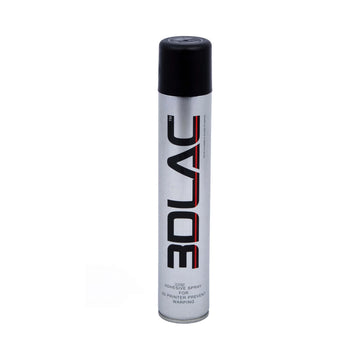
Stringing often points to moisture in the material or too much cooling combined with insufficient retraction. Warping requires a cleaner build plate, an appropriate adhesive layer, or a heated bed and limited cooling. Layer lines that suddenly become more visible sometimes point to a wearing nozzle or loose hotend bolts. With better filament, you prevent some of these problems proactively. Polymaker helps primarily because you have to correct less for batch differences and can keep your profile stable per material type.
AC PRODUCTS: Advice and delivery reliability
Material selection is faster with a partner who knows your printers, products, and deadlines. At AC PRODUCTS, we advise based on application and desired post-processing, and we align delivery times with your schedule. We help you with the setup of profiles per material, and we think along with you about nozzles, build plate surfaces, and drying solutions. If you buy Polymaker from us, you benefit from inventory tailored to common colors and materials, and from a support team that is happy to look along when a model or print setting could be better.
Ready for the next step
Whether you are running a small internal project or a series part that returns weekly, you want a predictable result. That starts with design and machine settings, but stands or falls with the material quality you feed through the printer. With Polymaker, you build a stable foundation you can rely on. Combine that with a fixed workflow, clear documentation, and expert advice, and productivity grows without taking extra risks. This makes professional 3D printing a reliable link in your development and production process.


Leave a comment