


Introduction:
In the world of 3D printing, FDM (Fused Deposition Modeling) and SLA (Stereolithography) are two popular technologies. They offer unique advantages and disadvantages, and it is important to understand them when choosing the right 3D printer and materials for your projects. In this article, we will delve deeper into FDM and SLA printers and the materials they use. We will discuss the pros and cons of both technologies so that you can make an informed decision when investing in a 3D printer.
FDM printers
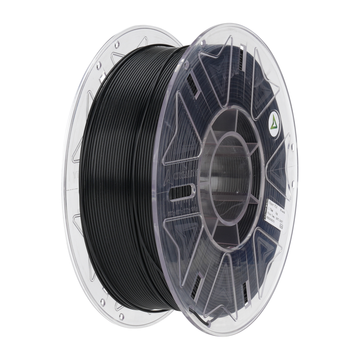
Fused Deposition Modeling (FDM) is a widely used 3D printing technology. In this process, thermoplastic material, usually in the form of filaments, is melted and built up layer by layer to create an object. FDM printers have some unique advantages and disadvantages:

Advantages:
- Affordability: FDM printers are generally more affordable than SLA printers, making them more accessible to hobbyists and small businesses.
- Wide selection of materials: FDM printers support a wide range of materials, including ABS, PLA, and nylon. This offers a lot of flexibility when choosing the right material for specific applications.
- Strength and durability: FDM parts can often be very strong and durable, especially when high-quality filaments are used. This makes FDM suitable for functional prototypes and end-use parts.
Disadvantages:
- Lower accuracy: FDM printers generally have lower accuracy compared to SLA printers. This can lead to visible layers and less detailed surfaces.
- Limitations with overhanging structures: FDM printers struggle to print overhanging structures without support material. This can limit design freedom and require additional post-processing.
- Susceptibility to warping: Due to the melting and cooling of the material during the printing process, FDM parts are more susceptible to warping. This can cause problems when printing large parts or complex geometries.
SLA printers
Stereolithography (SLA) is another popular 3D printing technology that uses liquid resins that cure under the influence of a UV laser. SLA printers also have their own advantages and disadvantages:

Advantages:
- High precision and detail: SLA printers are known for their high precision and the ability to print complex geometries and fine details with great accuracy. This makes them ideal for applications where a high level of detail is required.
- Smooth surface finish: SLA parts generally have a smoother surface and require less post-processing than FDM parts. This can save time and provide a more professional appearance.
- Suitable for jewelry and dental applications: Due to the high precision and the ability to print fine details, SLA is often used for creating jewelry and dental restorations, such as crowns and bridges.
Disadvantages:
-
Higher costs: SLA printers and the associated resins are generally more expensive than FDM systems. This can be an obstacle for individual users or small businesses with limited budgets.
-
More limited selection of materials: Compared to FDM, SLA offers a more limited range of material options. Although various types of resins are available, they may be more limited in terms of mechanical properties and application possibilities.
-
Post-processing required: After printing, SLA parts must be washed and cured. This process can require extra time and effort compared to FDM, where parts are ready for use immediately after printing.
Conclusion:
Both FDM and SLA printers have their own set of advantages and disadvantages, and the choice between the two depends on your specific needs and budget. FDM printers are more affordable and offer a wide range of materials, while SLA printers excel in precision and fine details. It is important to carefully consider the requirements of your project, such as the desired accuracy, surface finish, and application, before making a decision. Through a thorough evaluation, you can choose the right 3D printer and materials to produce successful and high-quality prints.




Leave a comment