


Imagine this: an idea during your lunch break becomes tangible plastic or even metal before the end of the afternoon. With a 3D printer, the traditional process of sketching, finding an external supplier, and waiting weeks for a prototype is eliminated. You simply upload the CAD file, choose the material and layer height, and the machine gets to work. Spot a minor error? Adjust the model, print it again, and compare the versions instantly. This iteration speed saves designers, engineers, and artists not only time, but also significant development costs. At AC PRODUCTS, we see our customers shorten their product development cycle by an average of forty percent.
Prototyping accessible to everyone
Less than ten years ago, rapid prototyping was something for large companies with substantial budgets. Today, you can place a reliable 3D printer on your desk for less than a thousand euros. Even these entry-level models achieve tolerances of ± 0.1 mm, allowing click connections and screw threads to fit perfectly. If you combine PLA or PETG with brass inserts, you can create prototypes that you can assemble into functional test setups. This allows you to discover mechanical weaknesses or ergonomic issues early on, ensuring the final version is immediately ready for series production.
Customized client specification
Consumers expect products that match their individual tastes—think of personalized phone cases, custom-made prosthetics, or limited edition jewelry. A 3D printer makes this scalable. You keep the base geometry and adjust parameters like name, color, or size variably. Within the slicer program, you generate a unique G-code without having to replace expensive molds. This way, you can create eleven variants for eleven customers without increasing storage time or minimum order quantities. For this reason, AC PRODUCTS is increasingly supplying sets of printers to webshops that produce on-demand, immediately following an online order.
Sustainability: Local and material-conscious
Traditional CNC methods often mill away fifty percent or more of the material. A 3D printer, conversely, only adds material where it is needed. Additionally, you print locally in your workshop; transport from low-wage countries is eliminated. At AC PRODUCTS, we grind down PLA filament scraps into new granules so that you produce less waste. Even metal wire for FDM systems or powder for SLS printers can be partially reused, provided you keep the batch dry and clean. All of this results in a lower CO₂ footprint and cost savings per produced component.
Tools, molds, and attachments
One of the most underestimated benefits is printing workshop tools. Think of welding jigs, drill guides, or marking templates that match your project exactly. A robust 3D printer using nylon or carbon filament provides enough strength to withstand clamping forces. Specialized clamping claws can sometimes cost hundreds of euros in stores; you can print them yourself in two hours for a fraction of that cost. Technicians in the aviation sector even produce temporary covers and alignment jigs on-site, keeping aircraft downtime to a minimum.
Educational value in design and technology
For schools and makerspaces, a 3D printer is a tangible window into mathematics, materials science, and computer-aided design. Students see how a 3D model becomes reality layer by layer, understand clamping forces, and get introduced to tolerances. AC PRODUCTS supports lesson programs where students first define a problem, then model it in CAD, and finally print the prototype. The "little mistakes"—a wall that proves too thin or a support structure that doesn't come off—are learning moments that bridge theory and practice.
Art, decor, and food printing
It is not just technology that benefits. Artists are experimenting with organic shapes that are nearly impossible to realize with conventional sculpting. Interior architects print scale models of furniture pieces to test proportions. And pastry chefs use a compact 3D printer with food-safe paste to pipe chocolate or marzipan into complex geometries. The threshold for designing something radically new is falling; the machine follows every mathematical formula or digital photo, no matter how unconventional. This creates a creative cross-pollination between disciplines.
Material choice: Much wider than plastic
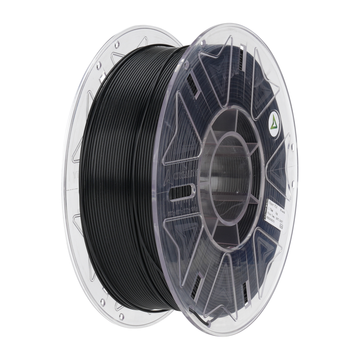
The image of a "plastic printer" is no longer accurate. If you want wear-resistant gears, choose PEEK or polycarbonate. For electrical insulators, use PC-ABS; for flexible parts, use TPU. With metal FDM, you enjoy stainless steel or even copper, which is ideal for heat exchangers. AC PRODUCTS supplies an increasing number of 3D printer accessories with which you can easily swap filament: a hardened steel nozzle for abrasive composites, or an all-metal hotend for higher print temperatures. This exponentially increases the versatility of one and the same machine.
Integrating software and workflow
Modern slicer packages offer cloud connections, AI-supported support geometries, and real-time error detection. This allows you to monitor an ongoing print via webcam and receive push notifications in case of deviations. With a WiFi module, you can send jobs directly from your design PC to the 3D printer, without having to swap SD cards. AC PRODUCTS advises customers on plug-ins that convert parts lists directly from ERP software into print tasks, allowing the production flow to fit seamlessly into existing business processes. This prevents duplicate data entry and minimizes human error.
Maintenance and service, the silent power behind uptime
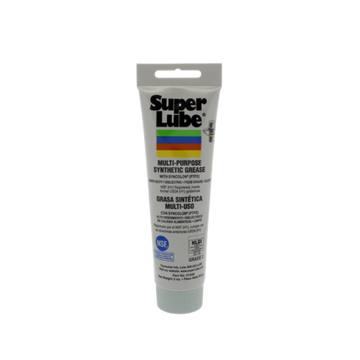
Like any machine, a 3D printer is subject to wear and tear: nozzles clog, bearings need lubrication, and firmware requires updates. AC PRODUCTS offers service contracts with periodic inspection, keeping the average uptime of customer machines above 95 percent. Replacement parts are available from stock; a clogged extruder therefore does not have to block your schedule for days. Online support via video call also helps novice users get back on track quickly.
Conclusion
Whether you are developing products, creating art, or teaching, there is almost no discipline that does not benefit from a 3D printer in the immediate workspace. Faster iterations, lower costs, sustainable production, and boundless freedom of form melt together into one powerful tool. AC PRODUCTS provides the advice, hardware, and support so that you can immediately benefit from proven technology without the stress of experimentation. Invest today and experience how your idea becomes a tangible reality tomorrow—layer by layer.


Leave a comment