


You want parts that can take a beating, absorb vibrations, and still feel comfortable in the hand. That is exactly where TPU 3D filament excels. The material is flexible, wear-resistant, and surprisingly dimensionally stable under repeated stress. Whether it is a grip sleeve for a tool, a bumper for a housing, or a damping foot under a machine, with the right settings you will get a result that looks clean and functions exactly as intended in practice. In this guide, AC PRODUCTS outlines the most important choices and pitfalls for you, so you can print with confidence.
What exactly is TPU 3D filament and why does it work so well?
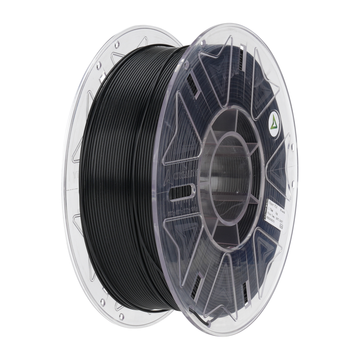
Thermoplastic polyurethane is known for its stretch, toughness, and high wear resistance. TPU 3D filament combines these properties into a printable wire that behaves like a rubber-like plastic. Its hardness is often expressed in Shore A. Lower means more flexible, higher means firmer. The beauty is that you have a lot of control through design and print parameters: you determine how stiff, damping, or resilient a part feels by adjusting wall thickness, infill, and orientation. This allows you to create everything from a flexible cable gland to a sturdy anti-slip grip using the same material.
Why choose TPU 3D filament for grip and damping
Grips must feel comfortable in the hand and not slip. Dampers must absorb energy without collapsing permanently. TPU 3D filament naturally has a higher coefficient of friction than hard plastics, ensuring the grip feels right immediately. At the same time, the so-called compression set is favorable, especially if you incorporate sufficient material thickness and supporting ribs into the design. The combination of resilience and wear resistance produces parts that last longer and remain comfortable to touch, even during intensive use.
A concise checklist for success:
- Choose the Shore A that fits the function and test two densities for feel and travel.
- Design walls as multiples of your nozzle width for clean, closed paths.
- Give dampers room to breathe: use controlled cavities or gyroid infill for resilience.
- Round off corners and avoid sharp transitions that concentrate stress.
- Add pull or tear ribs along load lines where necessary.
Print settings that make the difference
The secret is slow, controlled printing. TPU 3D filament is forgiving but requires discipline. Choose a moderate speed and keep retraction to a minimum, especially with Bowden systems. Direct-drive extruders have an advantage because the filament has less room to flex in the feed path. Use a slightly higher flow if you notice thin walls not quite closing. For bridges, extra cooling is useful, but don't overdo it, to keep the layer adhesion strong. And be generous with your first layer settings. If the base adheres, the rest will follow.
Adhesion, build plate, and post-processing
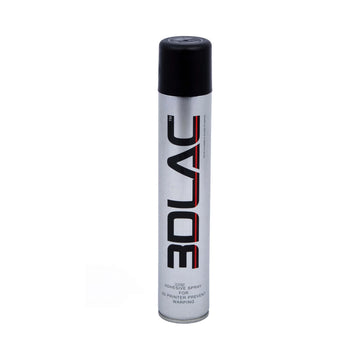
Good adhesion prevents ears and curling. A clean PEI plate or a layer of glue stick usually works fine. At the right temperature, TPU 3D filament lays down neatly without building up much stress. If you have small strings after printing, remove them with a stream of warm air from a distance. Sanding is possible, but do it sparingly so as not to make the surface tacky. For grip parts, a slightly matte finish is often most comfortable; for dampers, you generally want a closed skin that doesn't hold dirt.
Drying and storage: Don't underestimate it
Moisture is the silent troublemaker. Damp material causes stringing, erratic extrusion, and dull spots. Store your filament in a dry place, preferably in a sealed box with desiccant and a simple hygrometer. Once a spool is opened, dry it at a low temperature according to the material specifications. You will see the difference immediately in clean contours and consistent lines. And just as importantly, this prevents parts from feeling different after a few weeks of use compared to your tests.
Typical applications where you will see immediate gains
The range is wide. Think of grip sleeves for hand tools, bumper edges on suitcases or housings, damping feet under printers or equipment, and cable glands that move without tearing. TPU 3D filament is also strong for protective covers, drone landing pads, vibration isolators, and transport caps. Design each part for its specific task and don't be afraid to vary wall thickness or infill locally. This is how you create exactly the combination of firmness and flexibility you are looking for.
Common mistakes and how to avoid them
The classic pitfall is trying to go too fast. High speeds with many retractions cause variations in extrusion and visible seams. For TPU 3D filament, a slightly lower speed with stable temperatures almost always works better. Another mistake is printing solid for maximum damping. In practice, controlled cavities dampen better and recover more nicely. Finally, choose your nozzle wisely. A standard brass nozzle wears out faster with filled TPU variants. Steel or hardened copper maintains its dimensions better in the long run.
Scaling up without stress
When you move from prototype to production, reproducibility beats experimentation. Standardize profiles, establish a simple visual acceptance card, and print a small batch first to account for variation. TPU 3D filament is well-suited for small and medium series. Thanks to the material's consistency and a repeatable workflow, you can run multiple printers in parallel. Plan your spools, record batch codes, and avoid switching mid-series to prevent small differences in color or gloss.
How AC PRODUCTS helps you
You don't have to figure everything out on your own. AC PRODUCTS helps you choose the right Shore A, advises on nozzles, cooling, and infill, and provides start profiles that match your machine park. We look at the function of the part together and translate that into a reproducible recipe. With TPU 3D filament as a foundation, you get parts that not only look good but, more importantly, do what they are supposed to do every single day. From the first test to the hundredth set.
In summary
Anyone who takes grip and damping seriously chooses a material that moves with you, springs back, and stays neat for a long time. This flexible plastic meets those requirements while giving you plenty of freedom in design and production. With calm print settings, well-thought-out designs, and well-dried stock, you will quickly reach a level where results become predictable. That is better for your planning, and even better for everyone who ends up using the part.


Leave a comment