


A few years ago, three-dimensional printing was something for engineers and expensive R&D labs. Today, you can have your own keychain, phone holder, or even a prototype of a product idea appear on your desk in an afternoon. A 3D printer for beginners opens up a world of personal and professional possibilities, from handy household tools to small-scale startups. In this extensive blog of approximately 1,400 words, AC PRODUCTS shows you what to look for when making a purchase, how to have your first successful print in hand within a week, and which pitfalls you can avoid.
Why this is the perfect moment to start
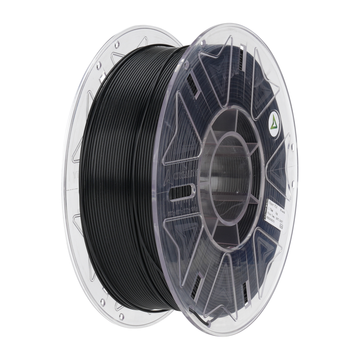
The price-to-performance ratio has improved significantly in recent years. While a decent entry-level model cost around a thousand euros a few years ago, you can now get a device for roughly half that price that delivers consistent and accurate prints. Furthermore, operation has become simpler thanks to intuitive firmware and pre-configured profiles. Online communities make free design libraries available, while the range of filament, from classic PLA to wood or metal-filled variants, continues to grow. This way, you benefit from technology developed over years without the growing pains of the pioneer phase.
Core technology: FDM or resin?
By far the majority of beginners start with Fused Deposition Modeling (FDM). This technique melts a plastic filament and lays down the model layer by layer. Maintenance is low, materials are affordable, and advanced safety procedures are not required. Resin printers (SLA or MSLA) do offer higher resolution, but the liquid resin is chemically more aggressive and post-processing is more intensive. Anyone looking for a 3D printer for beginners would be wise to master FDM first before switching to resin.
Important specifications
When purchasing, pay close attention to three figures: build volume, nozzle diameter, and maximum nozzle temperature. For 90 percent of all hobby projects, 220 × 220 × 250 mm is more than enough. A 0.4 mm nozzle offers a nice compromise between speed and detail, while a top temperature of 260 °C provides enough flexibility to print PETG or flexible TPU in addition to PLA. With those parameters, you get a 3D printer for beginners that won't feel limiting anytime soon.
Essential peripherals
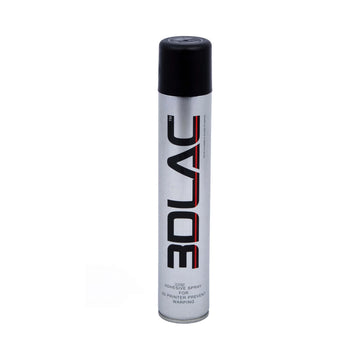
A spool drying box prevents filament from absorbing moisture, which degrades print quality. A steel spatula and a set of Allen keys cost little, but save frustration when removing prints and fine-tuning the axes. Also, don't forget a roll of painter's tape or a bottle of alcohol to keep the print bed clean. Without these simple tools, even the best 3D printer for beginners can show signs of under-extrusion or warping.
Software and slicer settings
Free software packages like Ultimaker Cura and PrusaSlicer offer "Intent Profiles" where layer height, speed, and temperature are optimally preset for popular materials. Layer heights of 0.2 mm quickly deliver neat results; only later can you experiment with 0.12 mm for extra detail. By printing a twenty-millimeter test cube, you can immediately see if your 3D printer for beginners is precisely aligned on all axes.
First project: From idea to printed part
Suppose you want to design a cable clip to organize your workspace. In a free CAD program, you can draw a U-shaped clip with a clamping spring within thirty minutes. Next, import the file into the slicer, choose PLA as the material and 15 percent infill. After sixty minutes of printing, you have a perfectly fitting clip from the bed. That is how tangible the learning curve of a 3D printer for beginners is: immediate, physical results encourage you to continue.
Maintenance and safety
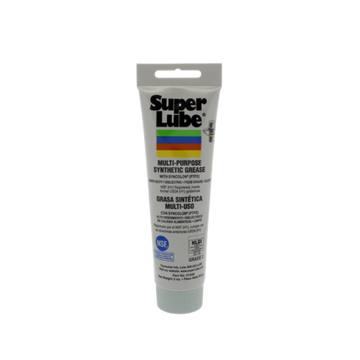
Before installing a new spool, perform a "cold pull": a piece of nylon pulls leftover plastic out of the nozzle. Lubricate the Z-spindle every month with a drop of lithium grease. Place the printer on a stable, heat-resistant surface away from flammable materials and ventilate the room, especially during PETG or ABS prints. Regular checks extend the lifespan and keep your 3D printer for beginners operational.
Growing further: Upgrades and mods
Once you are familiar with the basics, a direct drive extruder for flexible materials or an auto-bed leveling sensor that eliminates the need for manual adjustment becomes appealing. Switching to a PEI magnetic bed also ensures prints release effortlessly. The modular design of many brands means that you can gradually expand your initial 3D printer for beginners without having to buy a completely new system.
Offer from AC PRODUCTS
AC PRODUCTS tests all machines before shipping for electrical safety, bearing play, and firmware. Every 3D printer for beginners comes with a starter pack of filament, an SD card full of example models, and a Dutch-language manual. Additional service options: a two-hour online introductory workshop or a maintenance contract where worn-out nozzles and PTFE tubes are replaced for free. This way, you are assured of a smooth start and long-term reliability.
Common beginner mistakes
Printing too fast is by far the biggest pitfall; halve the standard speed for complex geometries. A nozzle temperature that is too low causes under-extrusion and poor layer adhesion. And never forget to level the print bed; a few tenths of a millimeter make the difference between a perfect first layer and a ball of spaghetti. Even with a simple 3D printer for beginners, you can avoid 80 percent of failed prints this way.
The return on creativity
What does an entry-level printer ultimately yield for you? Hobbyists who make jewelry, miniatures, or personalized phone cases sell their creations via online platforms and often earn back the purchase cost within a few months. In a business context, rapid prototyping accelerates product development and saves you from expensive injection molds. Even with basic equipment, you create clear financial added value, apart from the fun and design freedom that printing itself offers.
Summary
A 3D printer for beginners offers access to a rapidly growing ecosystem of hardware, software, and materials. With a solid FDM model, appropriate filament, and a few standard tools, you can realize your first functional parts within days. By adding maintenance and upgrades step by step, the entry-level device grows along with your ambitions. AC PRODUCTS supports every stage with tested equipment, practical workshops, and service contracts. Are you ready to make your ideas tangible? With the right preparation, creative success is just one click of 'Print' away.


Leave a comment